
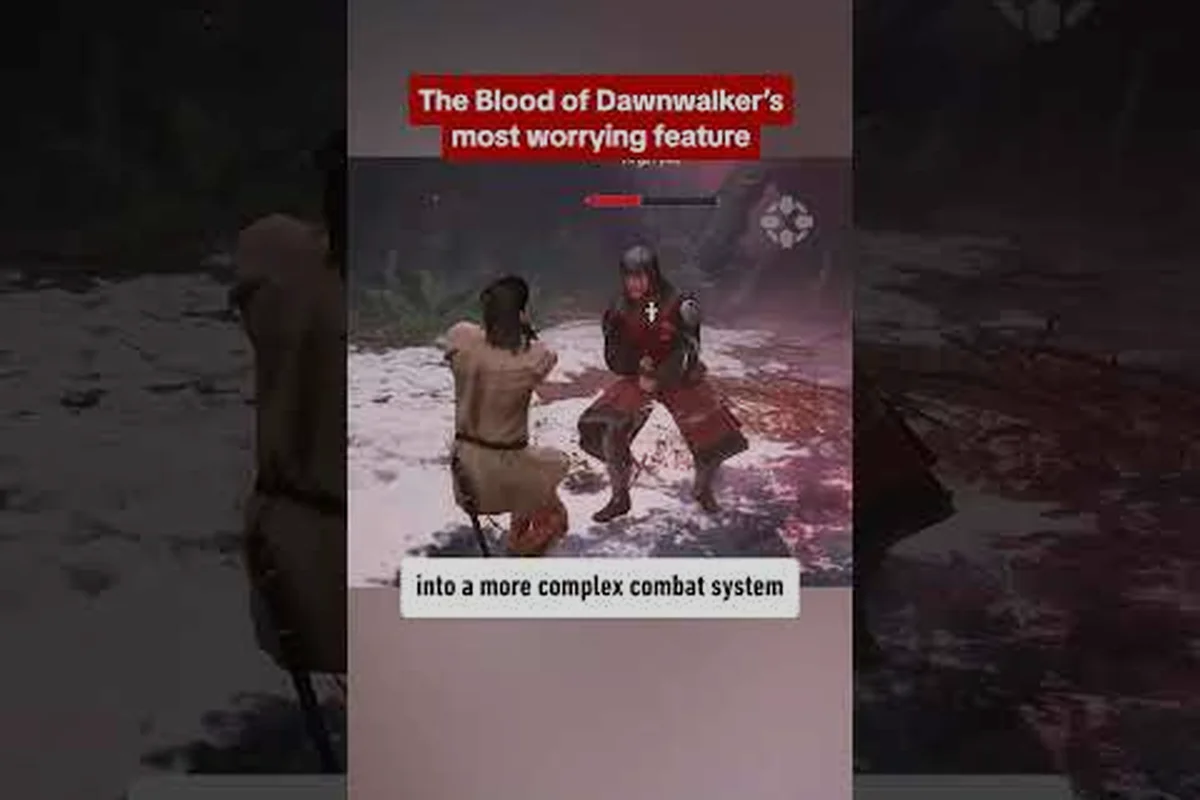
Understanding what can you do during the day in The Blood of Dawnwalker is the single most important skill for surviving the 30-day timer that drives the entire campaign. Every daylight hour you spend on the wrong activity is an hour you cannot reclaim, and the game's hourglass UI exists specifically to punish careless scheduling. This time limit guide breaks down exactly which daytime actions cost you precious time segments, which ones are completely free, and how to structure your routine so you never waste a single sunrise.
The day-night cycle in The Blood of Dawnwalker is not cosmetic flavor — it is the mechanical heart of the experience, and players who ignore it will find themselves locked out of critical story beats by day 20. Because the game splits each 24-hour period into eight distinct time segments, you need to know precisely how long is a day, how long is a night, and what each segment offers before you commit to any quest. The good news is that the system rewards planning rather than panic, and this guide gives you the exact framework to make every daylight choice count. That said, even the most meticulous planner will occasionally misjudge the clock, so before you lock in your strategy, it’s worth checking exactly how long a day is, how long a night is, and what each segment offers before you commit to any quest—and if you want the precise minute-by-minute breakdown of both phases, see our The Blood Of Dawnwalker Day Night Cycle guide to align your schedule with the game’s rhythm. The good news is that the system rewards planning rather than panic, and this guide gives you the exact framework to make every daylight choice count.
The Blood of Dawnwalker Time System Explained
Before you can optimize your daylight hours, you need to understand the underlying structure that governs time in Vale Sangora. The Blood of Dawnwalker time system explained in simple terms: each full day-night cycle is divided into eight segments, with four belonging to daylight and four belonging to night. This means the answer to how long is a day is roughly half of each cycle, and the answer to how long is a night is the other half, though the exact real-time duration of each segment depends on how you pace your exploration and dialogue choices.
The hourglass indicator sits at the center of this system, and it is the primary tool the game uses to communicate time costs to the player. According to the official The Blood of Dawnwalker on Steam page, this UI element is central to the time management fantasy of the game, and before committing to any quest you can see exactly how many segments it will consume. Because side quests generally do not consume time, the hourglass helps you distinguish time-free activities from plot-critical commitments, which is the key distinction that separates efficient players from those who hit the 30-day wall.
The 30 day timer is the hard limit that defines your entire playthrough, and it is not a countdown you can pause or extend through normal gameplay. Community discussions on the r/DawnwalkerOfficial subreddit confirm that players debate whether the timer can be extended, but the consensus is that the eight daily time segments are your only real currency, and every main story quest spends at least one of them. This means the answer to how long is a day directly impacts how many total quests you can complete before the narrative reaches its conclusion.
Mapping Day and Night Hours to Segments
Each 24-hour period in The Blood of Dawnwalker is broken into eight segments, and understanding how these map to daylight and darkness is essential for planning your activities. The game does not show you a clock in the traditional sense — instead, the hourglass fills and empties as you move through the world, and the visual state of the environment tells you which segment you are currently in.
| Time Segment | Phase | Typical Duration | Common Activities |
|---|---|---|---|
| Segment 1 | Early Morning | Short | Travel, merchant visits, light exploration |
| Segment 2 | Mid-Morning | Short | Side quests, gathering, NPC conversations |
| Segment 3 | Late Morning | Short | Preparation, crafting, skill upgrades |
| Segment 4 | Noon | Short | Story quests, time-sensitive events |
| Segment 5 | Evening | Short | Transition activities, safe travel |
| Segment 6 | Dusk | Short | Night form preparation, stealth approaches |
| Segment 7 | Night | Short | Vampire activities, combat-heavy quests |
| Segment 8 | Late Night | Short | Night form missions, dangerous exploration |
The eight time segments system means that how long is a day in real-world minutes is not fixed — it depends entirely on how much you explore, how many dialogues you trigger, and whether you fast-travel between locations. Players who sprint between objectives will complete more segments per real-world hour, while those who stop to read every note and inspect every corner will naturally spend more real time in each segment.
The 30 Days and Nights Structure
The 30 days and nights structure is the backbone of the entire campaign, and it creates a sense of urgency that most open-world RPGs completely lack. Because the timer is always ticking, every decision you make carries weight, and the game forces you to prioritize what matters most rather than trying to complete everything. This is a deliberate design choice by Rebel Wolves, and it sets The Blood of Dawnwalker apart from other action RPGs where you can spend hundreds of hours without any narrative pressure.
| Day Range | Story Phase | Typical Pressure Level |
|---|---|---|
| Days 1-5 | Introduction and tutorial | Low — learning mechanics |
| Days 6-12 | Early conflicts and choices | Medium — first major decisions |
| Days 13-20 | Mid-game escalation | High — branching consequences |
| Days 21-27 | Late-game crisis | Very High — limited options |
| Days 28-30 | Final confrontation | Extreme — every segment matters |
The 30 day timer does not mean you have 30 full days of unrestricted play, because night activities consume the same total countdown as daytime ones. This is why understanding what can you do during the day is so critical — if you waste daylight hours on activities that could be done at night, you are effectively doubling your time expenditure without gaining any additional narrative progress.
What Can You Do During the Day Without Spending Time
The most valuable knowledge in The Blood of Dawnwalker is knowing which daytime activities are completely free, because these allow you to build power and gather resources without touching your precious hourglass segments. The game is surprisingly generous with time-free activities, and experienced players exploit this heavily to prepare for the harder story encounters that await later in the campaign.
The time-free activities category includes most side quests, which the hourglass explicitly marks as not consuming any time segments when you accept them. This is a crucial distinction because it means you can complete an unlimited number of side quests during the day without advancing the 30-day countdown, allowing you to farm experience, collect gear, and build relationships with NPCs at your own pace. Community reports suggest that some side quests do have hidden time requirements based on story progression, but the vast majority are safe to complete whenever you want.
Free Daytime Activities List
-
Side quests — the majority do not consume time segments, making them the primary way to level up without advancing the timer
-
Exploration — walking through the world, discovering landmarks, and finding hidden areas does not cost time
-
Gathering and crafting — collecting herbs, ore, and other materials is free, as is using crafting stations
-
NPC conversations — talking to characters and learning about the world does not advance the clock
-
Merchant transactions — buying and selling items is completely time-free
-
Skill tree management — allocating points and reviewing your build costs no time
-
Reading documents — lore books, letters, and notes are free to read
-
Fast travel — moving between discovered locations does not consume segments
The free daytime activities are your safety net, and you should use them to build up your character before committing to any story quest that spends hourglass segments. Because the game does not penalize you for grinding side content, you can theoretically spend dozens of real-world hours completing every optional quest in the game before touching the main story, though this approach does have diminishing returns as you approach the 30-day limit.
How to Identify Time-Free Content
The hourglass UI is your primary tool for identifying whether an activity will cost time, and the game is very clear about this before you commit. When you approach a quest giver or interact with a story object, the hourglass indicator will appear with a specific number of segments shown, and if the activity is free, the hourglass will not appear at all. This transparency is one of the best design decisions in the game, because it removes guesswork and lets you plan your schedule with confidence.
| Activity Type | Hourglass Indicator | Time Cost | Recommended Priority |
|---|---|---|---|
| Main story quests | Always shown | 1-2 segments | High — required for progression |
| Companion missions | Usually shown | 1 segment | Medium — character development |
| Side quests | Usually absent | Free | High — safe experience |
| Exploration | Never shown | Free | Medium — world building |
| Crafting | Never shown | Free | Low — do when convenient |
| Resting | Never shown | Free | Situational — only if needed |
The time cost indicator is consistent across all activities, and once you internalize how it works, you will never accidentally waste a segment on something you thought was free. This is especially important during the early game, when you are still learning the map and might accidentally trigger a story event while trying to explore a new area.
Daytime Activities That Consume Time Segments
While many activities are free, the main story quests and certain critical events will always consume time segments, and you need to budget for these carefully. The time-consuming activities are the ones that advance the narrative, and the game marks them clearly with the hourglass so you never accidentally trigger them without knowing the cost.
The main story quests typically cost one to two time segments each, which means you can complete roughly two to four story quests per full day-night cycle if you do nothing else. This creates a natural pacing mechanic where you must decide between rushing the main narrative or taking time to build your character through side content, and the 30-day limit ensures that you cannot do both at maximum efficiency.
Which Quests Spend the Hourglass
The hourglass-consuming quests fall into several categories, and understanding which ones cost time helps you plan your daily routine around them. The most expensive activities are the major story beats that involve cutscenes, large-scale battles, or significant world changes, while smaller story moments might only cost a single segment.
| Quest Type | Time Cost | Example Scenario | Planning Advice |
|---|---|---|---|
| Major story beat | 2 segments | Final confrontation with a boss | Save for a fresh day |
| Standard story quest | 1 segment | Investigating a clue | Combine with free activities |
| Companion personal quest | 1 segment | Helping an ally resolve a conflict | Prioritize early |
| World event | 1 segment | Responding to an attack | Assess urgency first |
| Special encounter | 1 segment | Meeting a key NPC | Check if time-sensitive |
The quest time costs are not always obvious from the quest description alone, but the hourglass indicator always appears before you commit, so you can make an informed choice. This means the answer to what can you do during the day is ultimately about prioritization — you can do anything, but you cannot do everything, and the 30-day timer forces you to accept that some content will remain unfinished in any single playthrough.
How Long Is a Day in Real Time
The question of how long is a day in real-world minutes is one that many players ask, and the honest answer is that it varies significantly based on your playstyle. Because the game does not use a real-time clock, the duration of each segment depends on how much you explore, how many dialogues you trigger, and whether you fast-travel between locations.
| Playstyle | Segments per Hour | Day Length (4 segments) | Night Length (4 segments) |
|---|---|---|---|
| Speedrunner | 6-8 | 30-40 minutes | 30-40 minutes |
| Balanced player | 4-6 | 40-60 minutes | 40-60 minutes |
| Completionist | 2-4 | 60-90 minutes | 60-90 minutes |
| Thorough explorer | 1-3 | 90-120 minutes | 90-120 minutes |
The day length variance means that how long is a night follows the same pattern, since both phases consist of four segments each. Players who want to maximize their efficiency should aim for the balanced playstyle, which allows them to complete enough side content to stay powerful while still making steady progress through the main story.
Planning Your Daytime Routine Around the 30-Day Limit
The 30-day limit is the ultimate constraint that shapes every decision you make, and planning your daytime routine around it is the difference between a satisfying playthrough and one where you miss half the content. The key is to treat each day as a resource budget, with four daylight segments that you allocate to different activities based on your current priorities.
The daytime planning strategy starts with understanding that not all days are equal. Early in the game, you have more flexibility because the story is less urgent, but as you approach day 20 and beyond, the narrative pressure increases and you will need to focus almost exclusively on main story quests. This means you should front-load your side content in the first two weeks of the 30-day timer, while you still have the freedom to explore and build your character.
Building an Efficient Daily Schedule
An efficient daily schedule in The Blood of Dawnwalker balances story progression with character development, and it looks different depending on where you are in the campaign. The following framework works well for most players, though you should adjust it based on your specific build and the quests available to you.
| Day Phase | Recommended Activities | Time Cost | Purpose |
|---|---|---|---|
| Segment 1 | Free activities, gathering | 0 segments | Warm up, collect resources |
| Segment 2 | Side quests, exploration | 0 segments | Build power, learn the map |
| Segment 3 | Side quests, crafting | 0 segments | Strengthen gear, prepare |
| Segment 4 | Main story quest | 1-2 segments | Advance the narrative |
| Segment 5 | Free activities, travel | 0 segments | Position for night |
| Segment 6 | Preparation, stealth | 0 segments | Set up night activities |
| Segment 7 | Night quests, combat | 1-2 segments | Use night form abilities |
| Segment 8 | Night exploration | 0 segments | Wrap up, plan next day |
The daily routine template above assumes you complete one main story quest per day, which gives you roughly 15-20 story quests over the full 30-day timer. This is usually enough to finish the main campaign, though the exact number depends on how many companion quests and world events you choose to pursue.
Prioritizing Time-Critical Content
Some content in The Blood of Dawnwalker is time-critical, meaning it will become unavailable if you do not complete it before a certain day or story milestone. Identifying and prioritizing this content is essential for a complete playthrough, because missing a time-critical quest can lock you out of important rewards or story branches.
-
Companion quests often have time limits tied to story progression, so complete them early
-
World events may disappear after you advance the main story, so respond to them when they appear
-
Special merchants might only appear during specific day ranges, so check back regularly
-
Exploration areas can become inaccessible after major story beats, so map the world early
-
Dialogue choices can lock you out of quests, so save before important conversations
The time-critical content system is one of the most punishing aspects of the game for completionists, because it is easy to miss content if you do not know the exact triggers. Community reports suggest that the game does not always warn you when a quest is about to become unavailable, so the safest approach is to complete every available quest before advancing the main story, even if that means spending several days on side content.
Daytime vs Nighttime Activities Comparison
The daytime vs nighttime comparison is central to understanding what can you do during the day, because the two phases offer different advantages and limitations. While the core activities are similar, the night phase unlocks additional options that are unavailable during daylight hours, and some activities are strictly better at night.
| Activity | Daytime | Nighttime | Best Choice |
|---|---|---|---|
| Combat | Standard | Night form bonuses | Night |
| Stealth | Limited cover | Enhanced abilities | Night |
| Exploration | Safe, visible | Dangerous, hidden areas | Day for safety |
| NPC interaction | Most NPCs available | Some NPCs only at night | Depends on NPC |
| Crafting | Always available | Always available | Either |
| Story quests | Available | Some only at night | Check requirements |
The daytime advantages include safety, visibility, and access to most NPCs, while the nighttime advantages include your night form powers, stealth bonuses, and access to certain quests and areas that only appear after dark. This means the answer to what can you do during the day is not just about which activities are available — it is also about which activities are optimal during daylight versus after the sun goes down.
What Changes When the Sun Sets
The day-night transition is one of the most dramatic moments in The Blood of Dawnwalker, because it changes both the world and your capabilities. When the sun sets, you gain access to your night form, which provides significant combat and movement bonuses, but you also face increased danger from enemies that are stronger in darkness.
| Change | Daytime State | Nighttime State | Strategic Impact |
|---|---|---|---|
| Player abilities | Standard form | Night form bonuses | Combat is easier at night |
| Enemy behavior | Less aggressive | More aggressive | Exploration is riskier |
| NPC availability | Most NPCs active | Some NPCs appear | Different quests available |
| Environmental hazards | Sun exposure safe | No sun damage | No daytime penalties |
| Hidden areas | Some inaccessible | New areas open | Night exploration required |
The nighttime transformation is the reason why the game encourages you to plan your activities carefully — some quests are only available at night, while others are only available during the day, and the 30-day timer means you cannot simply wait for the right phase indefinitely. This is where the answer to how long is a night becomes important, because you need to know how many segments you have to complete night-only content before the sun rises again.
Frequently Asked Questions
What can you do during the day in The Blood of Dawnwalker?
During the day, you can complete side quests, explore the world, gather resources, craft items, talk to NPCs, and advance main story quests. Most side quests and exploration activities are completely free and do not consume time segments, while main story quests typically cost one to two segments from your hourglass timer.
How long is a day in The Blood of Dawnwalker?
A full day consists of four time segments out of the eight total in each 24-hour cycle, meaning day and night are roughly equal in length. The real-world duration of a day varies based on your playstyle, ranging from about 30 minutes for speedrunners to over two hours for thorough explorers.
How long is a night in The Blood of Dawnwalker?
A night also consists of four time segments, matching the length of the day. Nighttime unlocks your night form abilities and certain quests that are only available after dark, but it also brings more aggressive enemies and increased danger when exploring unfamiliar areas.
Does the 30-day timer apply to both day and night activities?
Yes, the 30-day timer counts down through both day and night segments equally. Every time segment you spend, whether on story quests or exploration, advances the countdown toward the game's conclusion. Side quests generally don't consume time, so prioritize those during daylight hours to preserve your limited segments for plot-critical commitments.
Can you extend the 30-day limit in The Blood of Dawnwalker?
No, you cannot extend the 30-day limit in The Blood of Dawnwalker. The hourglass timer is fixed, so you must prioritize main quests during daytime segments while side quests remain free. Plan your eight daily segments carefully, as every plot-critical commitment permanently consumes time toward the countdown.