
Factions
The Blood of Dawnwalker factions — the vampire court, human resistance, the infected and the witches, plus the blood tax and dual reputation systems.
Introduction
The Factions hub explains the political battle at the heart of The Blood of Dawnwalker — the conflict between the vampires who have seized power and the humans trying to survive them. Vale Sangora is ruled by Brencis and his vampire court, who levy a monthly blood tax on the human population. Against them stand the human resistance, the townspeople and hunters who refuse to bow, and the infected, who carry the plague that began the story’s tragedy. In the middle are the witches, keepers of forbidden magic courted by both sides. This hub covers each faction, the dual reputation system that tracks your standing with both camps, and how your choices shift the political balance before the 30 days end.
Faction Overview
| Faction | Aligned With | Goals | Reputation Impact |
|---|---|---|---|
| Vampire Court | Vampires | Keep power, levy the blood tax | Vampire reputation |
| Human Resistance | Humans | Survive and resist the takeover | Human reputation |
| The Infected | Neither | Survive the plague | Neutral / situational |
| Witches | Independent | Preserve forbidden magic | Both, depending on aid |
Faction Cards
Vampire Court
Brencis and the ancient vampires who seized power and levy the monthly blood tax on Vale Sangora.
Human Resistance
Survivors, hunters and townsfolk resisting the vampire takeover and fighting the blood tax.
The Infected
Those caught in the plague and the king’s brutal purge at the story’s start — outcasts of both worlds.
Witches
Keepers of forbidden magic that bridges the living and the dead — courted by both sides and loyal to neither.
Townspeople
The ordinary people caught between the tax, the plague and the war — quest givers and the human heart of the world.
Core Mechanics
The faction system in The Blood of Dawnwalker is driven by a dual reputation system that tracks your standing with both the vampire and human sides. Helping human factions — rescuing NPCs, taking diplomatic quests, avoiding unnecessary violence — raises your human reputation and unlocks human-faction quests and allies. Hunting, feeding and acting as a vampire raise your vampire reputation, which the court rewards in its own way. The two reputations are not a single slider: you can be trusted by humans and distrusted by vampires at the same time, and some quests and endings are gated behind specific thresholds on either side. The blood tax is the central political fact of the world — a monthly tribute the vampires levy on the humans — and many faction quests revolve around who pays it, who resists it, and who profits from it.
Advantages
Understanding the factions turns the reputation system from a trap into a tool. Because the two tracks are independent, you can build a hybrid run that keeps humans friendly while still using your vampire powers at night — the reputation penalties come from behaviour, not from having the powers. Knowing which faction offers which rewards lets you target the right quests: the human resistance offers social and diplomatic content, the vampire court offers power and combat support, and the witches open up the magic systems. Faction knowledge also prevents wasted effort — you will not pour reputation into a faction whose rewards you will never use, and you will know which faction choices lock you out of which endings.
Challenges
Faction choices are some of the most consequential and irreversible decisions in the game. Helping one side can permanently alienate the other, and because reputations are tracked separately, it is easy to accidentally damage a track you did not know you were on — a single public act of vampiric violence can hurt your human reputation for the rest of the run. The infected, caught between the plague and the purge, are a tragic faction with few clear rewards, and some players will find their quests unsatisfying. Faction details, especially the exact thresholds for reputation-gated content, were still being confirmed before launch and will be refined after release.
Frequently Asked Questions
Can I join a faction?+
How does the blood tax work?+
Do factions matter for the ending?+
Quick Tips
Decide your political route before the mid-game. The reputations are independent, so a run that tries to please everyone usually ends up trusted by no one — commit to the human or vampire side as your primary and let the other develop naturally. A clear political priority also makes reputation-gated quests far easier to plan around.
Resist the temptation to feed in public. A single act of vampiric violence witnessed by humans can cost you more reputation than a week of diplomatic quests earns, so feed away from settlements or on animals. If you must feed on humans, do it in the forest where witnesses are rare and the penalty stays small.
Use the witches as your neutral ground. They do not side with either camp, so their quests rarely damage your reputation on either track — a safe way to progress magic and lore without political cost. Their knowledge also feeds directly into the endings that reward a balanced, curious run.
Featured

The Blood of Dawnwalker Factions Explained: Vampire Society
Understand factions explained in The Blood of Dawnwalker, including vampire society, the blood tax, and elders, and how faction choices impact the story.

The Blood of Dawnwalker All Factions: Join or Fight Guide
Compare all factions in The Blood of Dawnwalker, from vampire lords to human resistance. Learn which to join and how reputation shapes your path.

The Blood of Dawnwalker Church and Faith: Faction Guide
Explore the church and faith in The Blood of Dawnwalker. Learn how religious factions shape the vampire war and your alignment in Vale Sangora.
All Articles

The Blood of Dawnwalker Faction Rewards: Best Choices
Find the best faction in The Blood of Dawnwalker by comparing rewards. Learn about ally and enemy factions, endings, and the blood tax system.
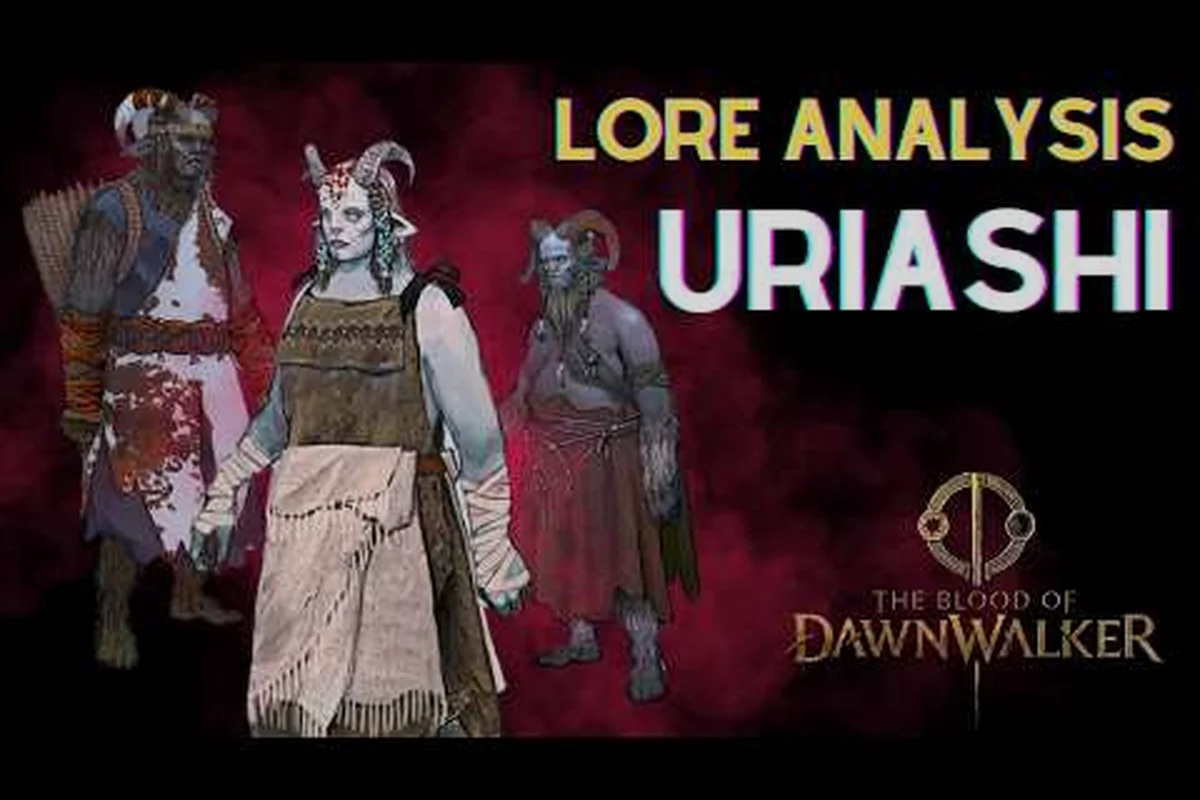
The Blood of Dawnwalker Monthly Gathering: Blood Tax Ritual
Learn about the monthly gathering in The Blood of Dawnwalker, where Brencis levies the blood tax. Understand the vampire hierarchy and court.
The Blood of Dawnwalker Townspeople Faction: Outcast Status
Explore the townspeople faction in The Blood of Dawnwalker, including your half-vampire status. Learn about the witch coven and outcast life.