
Day & Night
The Blood of Dawnwalker day & night cycle — what changes when the sun sets, the eight time segments and how the 30-day timer really works.
Introduction
The Day & Night Cycle hub explains the mechanic that defines The Blood of Dawnwalker. Coen is a Dawnwalker — human by day, vampire by night — and the game is built around that split. Each day and night is divided into eight time segments, and the whole story runs on a 30-day clock that only quests and major story actions advance. This hub covers what changes when the sun sets, what you should be doing in each phase, how sleeping and skipping time work, and how to plan your 30 days so you do not run out of time before you save your family. Time management is the game’s real challenge, and understanding the cycle is the difference between a complete run and a frustrating one.
Day vs Night Overview
| Phase | Coen’s Form | Best Activities | Limitations |
|---|---|---|---|
| Day | Human | Talk to NPCs, take quests, carve runes, explore settlements | No vampire powers, guards active |
| Night | Vampire | Hunt, feed, use powers, combat-heavy objectives | Bloodlust risk, civilians in danger |
| Dusk/Dawn | Transition | Plan the next phase, review quests | Short window, forms switching |
Cycle Cards
Daytime Activities
Use daylight for diplomacy — talk to NPCs, take non-violent quests, carve witch-magic runes and explore settlements safely.
Night Activities
Embrace the night for hunting, feeding, climbing and combat-heavy objectives that are safer under the moon.
Eight Time Segments
Each day and night splits into eight segments; quests cost whole segments, giving you fine-grained schedule control.
Sleeping & Passing Time
Move between day and night to unlock the activities of the next phase — details still being finalised for launch.
Time Management
The meta-skill of the game — prioritising quests, conserving segments and never committing to low-value objectives.
Core Mechanics
The day and night cycle in The Blood of Dawnwalker is not cosmetic — it changes the entire ruleset. By day Coen is human: sword and hex magic work, he can walk openly through settlements, and guards treat him like any other mortal. At night he becomes a vampire: claws, Shadowstep, wall-walking and feeding all become available, but guards are more alert, civilians are at risk from his bloodlust, and many NPCs will not deal with a vampire. Each day and night is split into eight time segments, and only quests and major story actions advance the clock — exploring, sneaking and most side activities are time-free. The 30-day total creates a hard planning problem: there is more quest content than time, so the game is about choosing what matters rather than doing everything.
Advantages
Mastering the cycle makes the entire game easier. Because exploration does not advance time, you can scout, collect and prepare as much as you like within a day — the clock only moves when you commit to quests. Planning the right activity for each phase doubles your effective playtime: daytime is for diplomacy and preparation, nighttime for hunting and progression. The eight-segment structure also gives you fine-grained control, so you can squeeze a short objective into a partial segment instead of wasting a full day. Players who understand which quests cost time and which are free gain an enormous advantage, because they can do almost all of the game’s content without ever feeling rushed.
Challenges
The cycle can feel punishing until you internalise its rules. New players often waste early segments on quests with poor rewards, then discover the timer is tighter than it looked. Sleeping and time-skipping mechanics were still being finalised before launch, and the community has debated whether the timer can be extended or bypassed — the developers have indicated details may change in the release build. Time-locked content also means some quests and outcomes are permanently missable if you do not reach them before the clock runs out, which can be frustrating for completionists. The wiki treats several timer specifics as unconfirmed until launch, and recommends planning conservatively with the time you know you have.
Frequently Asked Questions
How long is a day and night in real time?+
Which quests advance time?+
Can I sleep or skip time?+
Quick Tips
Never accept a quest without reading its time cost. A quest that costs four segments needs to be worth four segments — compare it against what else you could do with that clock before you commit.
Do your free exploration at the end of a phase. Once a quest has moved you into the next day or night, spend any leftover segment on time-free activities like scouting, feeding or visiting shrines so no clock is wasted.
Keep a mental reserve for the finale. The endgame quests are the most expensive, and a run that looks comfortable at day 20 can suddenly run out. Bank segments by doing side content early and leaving the big story commitments for when you know what the ending needs.
Featured
The Blood of Dawnwalker Does Time Run Out? Timer Explained
Does time run out in The Blood of Dawnwalker? Discover how the 30-day timer works, what advances the clock, and if you can stop it before the final day.
The Blood of Dawnwalker How to Pass Time: Sleep Guide
How to pass time in The Blood of Dawnwalker: sleep mechanics, skipping time segments, and using night hours to hunt while avoiding daylight weaknesses.
The Blood of Dawnwalker Night Activities: Best Things to Do
Best night activities in The Blood of Dawnwalker: explore vampire-only areas, use Shadowstep, and learn if sleeping advances the timer or not.
All Articles
The Blood of Dawnwalker Sun Damage: Daytime Safety Tips
Sun damage in The Blood of Dawnwalker explained: when daylight hurts, plus how to plan time-based decisions and avoid missable content before nightfall.
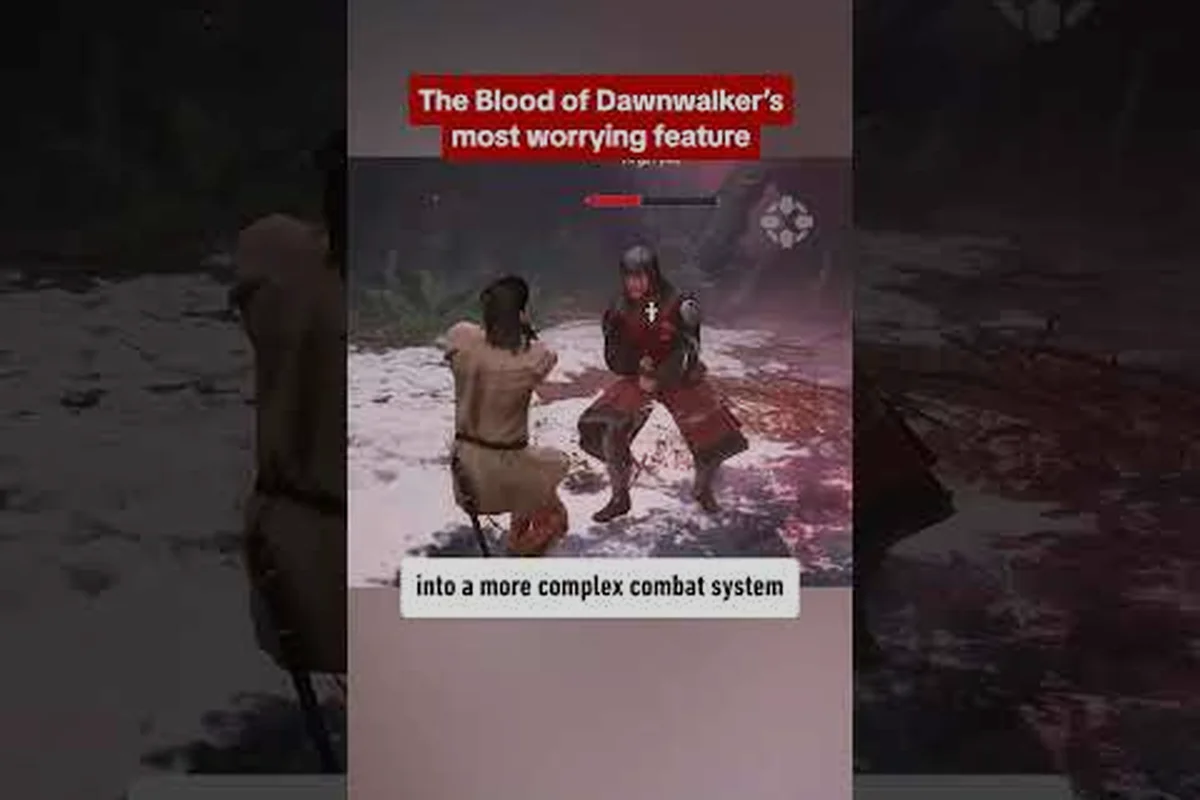
The Blood of Dawnwalker What Can You Do During the Day
Learn what can you do during the day in The Blood of Dawnwalker: which activities use the hourglass, and how to plan around the 30-day limit.
The Blood of Dawnwalker Which Actions Cost Time? Guide
Which actions cost time in The Blood of Dawnwalker? Learn what the hourglass indicator means, how quests consume time segments, and how to manage your schedule.
The Blood of Dawnwalker Day Night Cycle: Complete Guide
Understand the day night cycle in The Blood of Dawnwalker. Learn how eight time segments work, what changes at night, and how to plan quests around them.